
Office Legacy
Accomplishments
Personal project development
Created the game through every step of pre-production, including a game design document and the creation of a prototype.
Built player and camera controllers, dialog system, and every in-game mechanic.
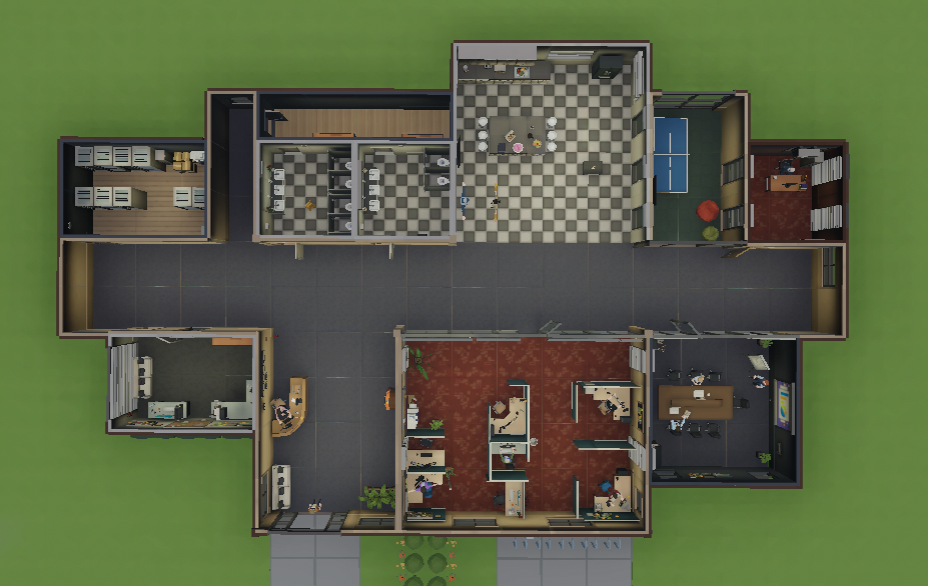
Designed and built in-game levels and set-up the environment using paid assets.
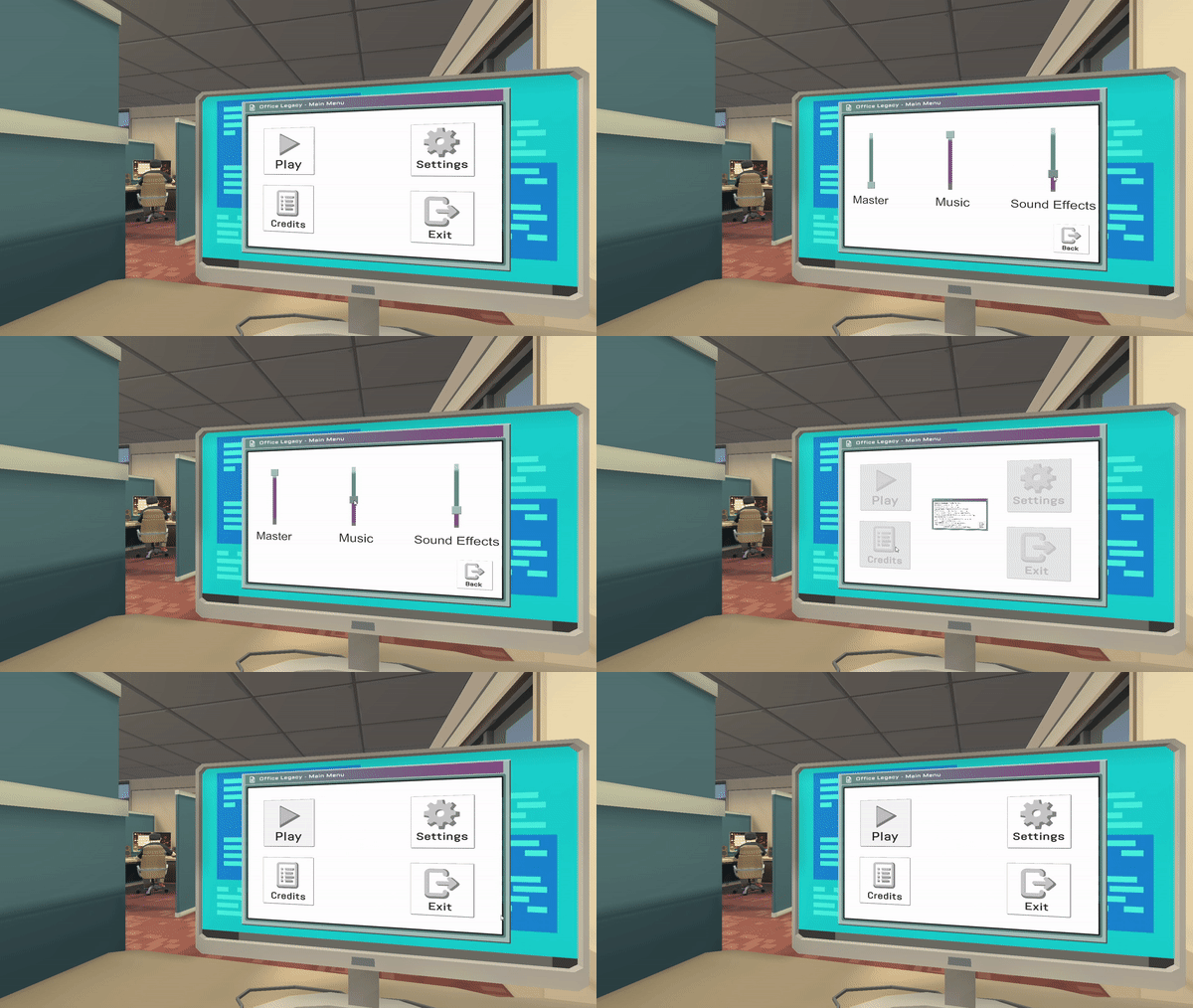
Designed, created, and implemented all the UI assets in the game.
Effective player teaching
Designed and implemented game progression with a procedural introduction for new game mechanics, which allowed for a more balanced engagement curve.

Designed and implemented a tutorial which included confirmation of action to decrease player confusion with game mechanics.
Player progression system
Designed and implemented a player progression system which allowed players to upgrade the office of the player character. This resulted in an increase in player engagement and investment in their own performance because the amount of money that the player can spend on the upgrades is heavily dependent on player results.
Challenges
Something I’ve never done before
For Office Legacy, I wanted to try something new, and I’ve never built a 3D game with an isometric camera. Developing the basis for the game, including dialog system, camera, movement, and tycoon mechanics was extremely challenging, but by doing extensive research I was able to overcome this challenge and make every aspect of the game functional.
RPG and Tycoon elements
The idea of combining RPG narrative with tycoon-style gameplay was risky and hard to accomplish. The main issue was coming from controlling player engagement, making sure that the player never gets bored. In order to overcome this challenge, I had to do extensive playtesting to see when and why engagement drops down.
Overwhelming amount of mechanics
Because this game entirely consists of the player completing timed minigames, I had to come up with a variety to keep the game from becoming too repetitive. In previous versions I introduced all mechanics on the first level, but I found that the players did not have sufficient time to learn them all. To fix this, I implemented a tutorial with confirmation of action and introduced new mechanics one by one over the course of the game. This resulted in less repetition but more time for player comprehension, significantly increasing player engagement. This also resulted in lowering of repetitiveness, making players more engaged with the game.